 Sofas & armchairs

How long does a cleaned sofa take to dry?

The most common question after a cleaning: when can we sit on it again? The honest answer depends on the piece, the fabric and the weather — but there are clear typical times and a few simple ways to speed things up.
Typical drying times
Hot-water extraction removes most of the water right away, so pieces are only slightly damp when we leave. Under normal conditions — around 20 °C with a window open — these are the usual times:
| Piece | Usually dry | Can be used |
|---|---|---|
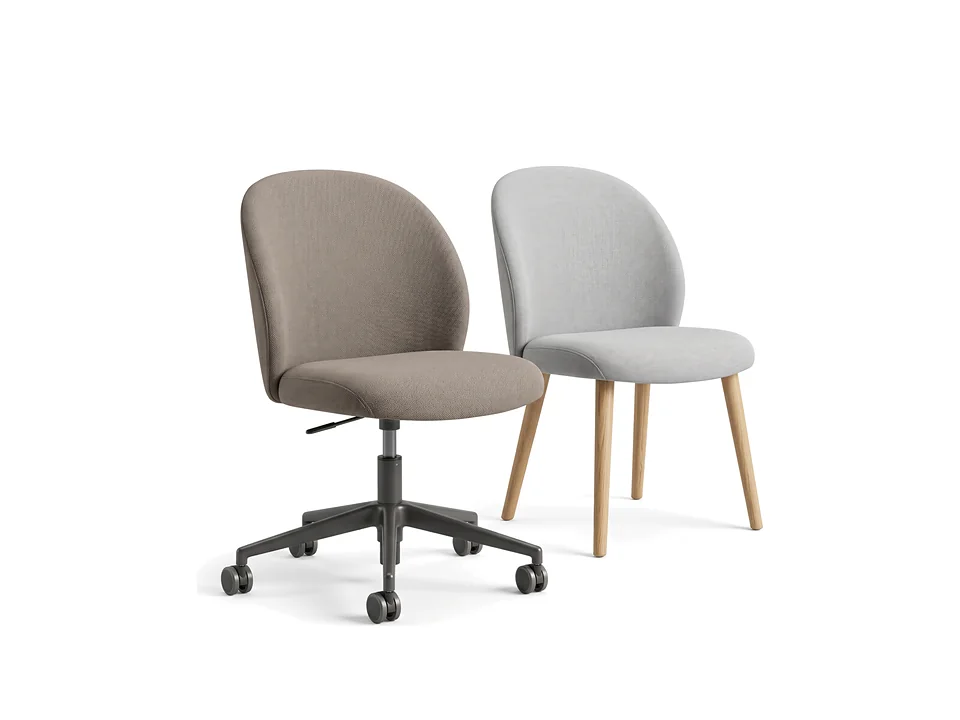
| Dining chair | 1–2 hours | the same day |
| Armchair | 3–5 hours | in the evening |
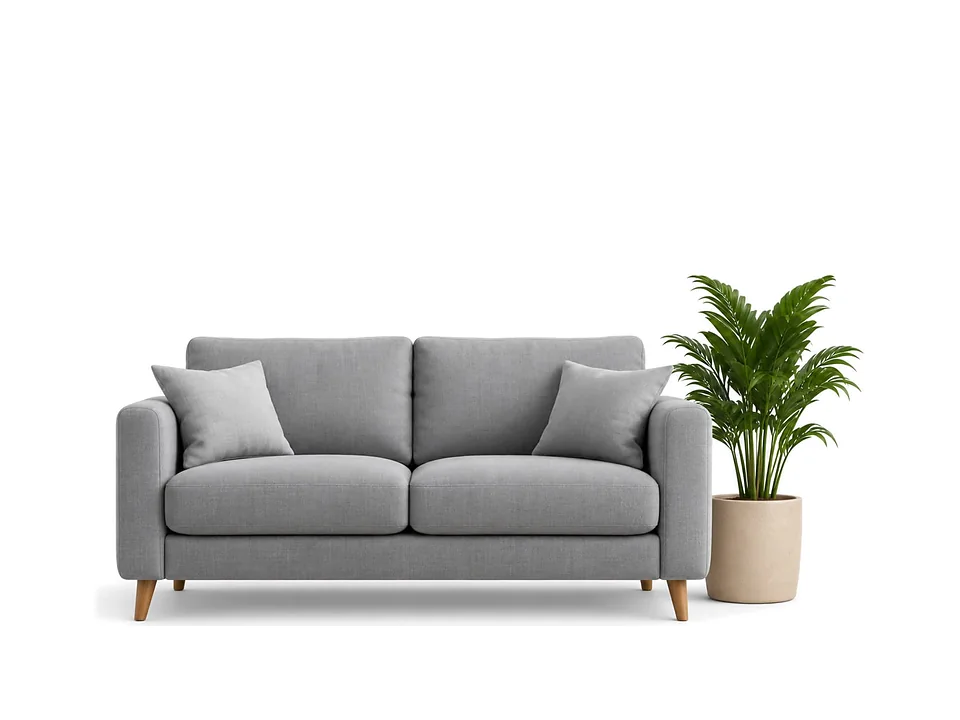
| Sofa | 4–8 hours | the same evening |
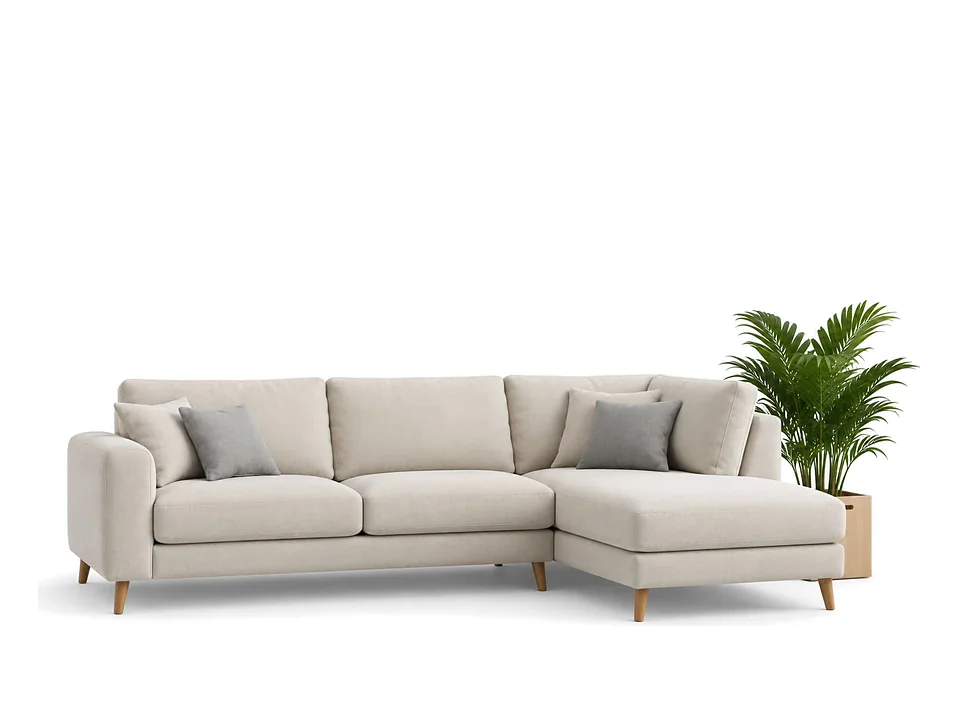
| Corner sofa | 6–10 hours | the next morning |
| Mattress | 4–8 hours | the same night, mostly |

What makes it faster or slower
The times above are typical, not promises. Three things move them most: the fabric, the filling and the air in the room.
The fabric
Synthetic fabrics like microfibre and polyester hold very little water and are often dry in a few hours. Cotton, linen and wool soak up more and release it slowly. Thick pile — velvet, chenille — dries on the surface first, while the base of the pile stays damp a little longer.
The filling
Firm foam dries quickly. Soft, feather-filled or very thick seat cushions take longer, because the moisture has further to travel. That's why the backrest of a sofa is often dry an hour or two before the seats.
The season
In winter, heated rooms have dry air and pieces dry surprisingly fast — as long as you air the room. On warm, humid summer days the air is already full of moisture, so a fan helps far more than an open window.
How to check
Press the back of your hand into the seam between two cushions. If it feels cool, there's still moisture inside. Dry fabric feels the same temperature as the room — and smells of nothing at all.
Four ways to speed it up safely
1. Open a window
Fresh air carries moisture away. In winter, short bursts of airing every hour work better than one window tilted all day.
2. Keep the air moving
A fan pointed at the sofa can cut drying time almost in half. Air movement matters more than temperature.
3. Lift the cushions
Stand loose cushions on their side or lean them so air reaches both sides.
4. Normal room temperature
Around 20 °C is ideal. Keep the heating at its usual level, but don't put heaters or hairdryers close to the fabric — heat can leave marks and shrink natural fibres.
What to avoid while it dries
- putting throws, blankets or covers back on too early
- sitting on light fabrics in dark jeans that may bleed
- letting pets lie on the damp cushions
- placing it right next to a radiator
Slightly damp fabric is not harmful, but it attracts dirt more easily. A few extra hours of patience keep the result fresh much longer.
Questions people ask us
Thick cushions, natural fibres, high humidity and cold rooms all slow drying. Corner sofas simply have more to dry.
No. The fabric dries long before mould could form. Damp only becomes a problem if a piece stays wet for days.
Yes. With short, regular airing, drying times in winter are almost the same as in summer.