 Sofas & armchairs
Dust mites at home: what actually helps
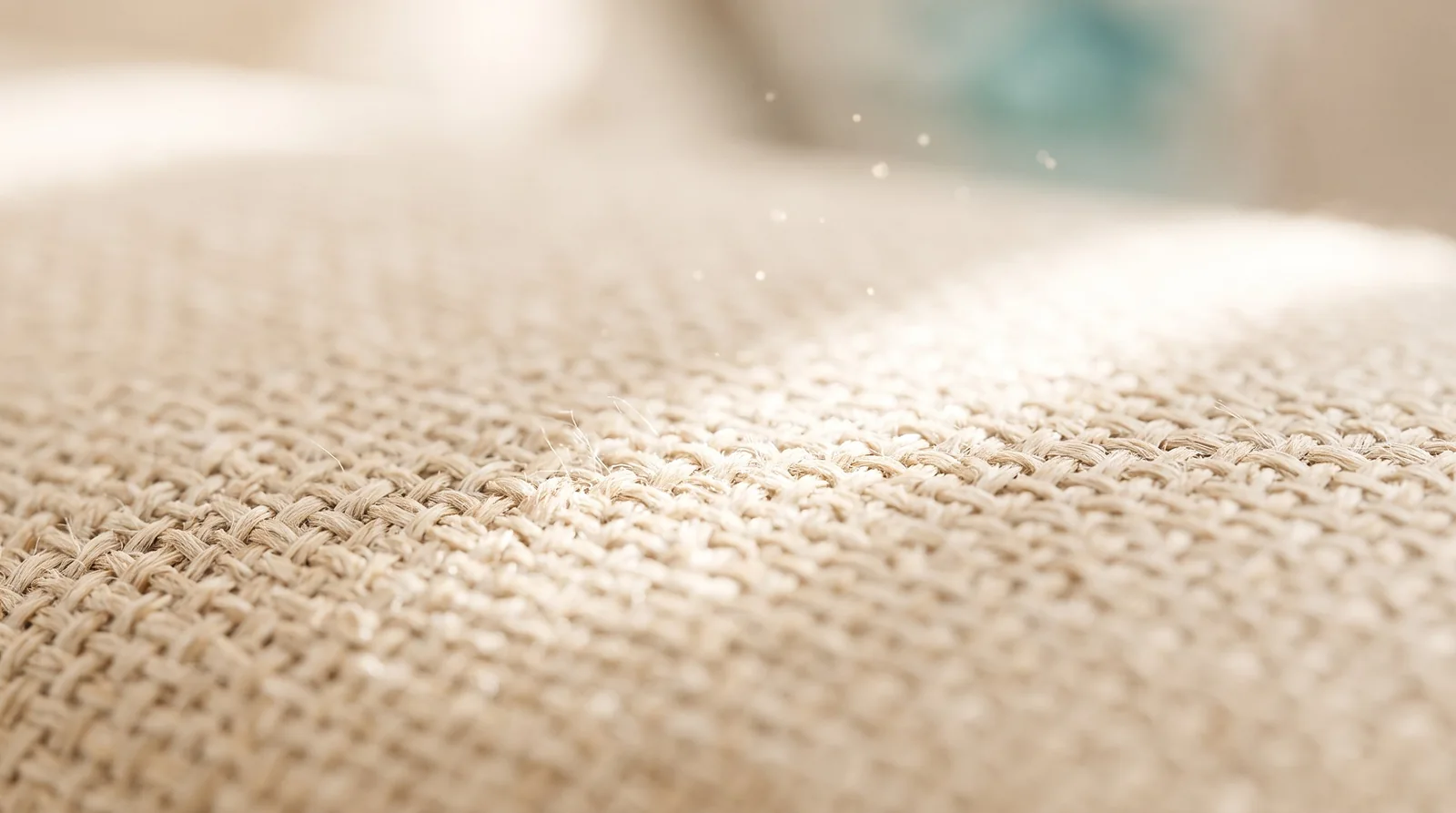
Dust mites live in almost every home, no matter how tidy it is. You can't get rid of them completely — but you can make your home a much less comfortable place for them, and that makes a real difference for allergies.
What dust mites actually are
Dust mites are tiny relatives of spiders, too small to see with the naked eye. They don't bite and don't carry diseases. They feed on flakes of human skin and need warmth and humidity to survive.
The problem for allergy sufferers isn't the mites themselves but their droppings. These particles are light, collect in textiles and get stirred up into the air every time you sit down, turn over in bed or shake a cushion.
Where they live
Mites prefer places that are warm, slightly damp and full of skin flakes. In a typical flat that means:
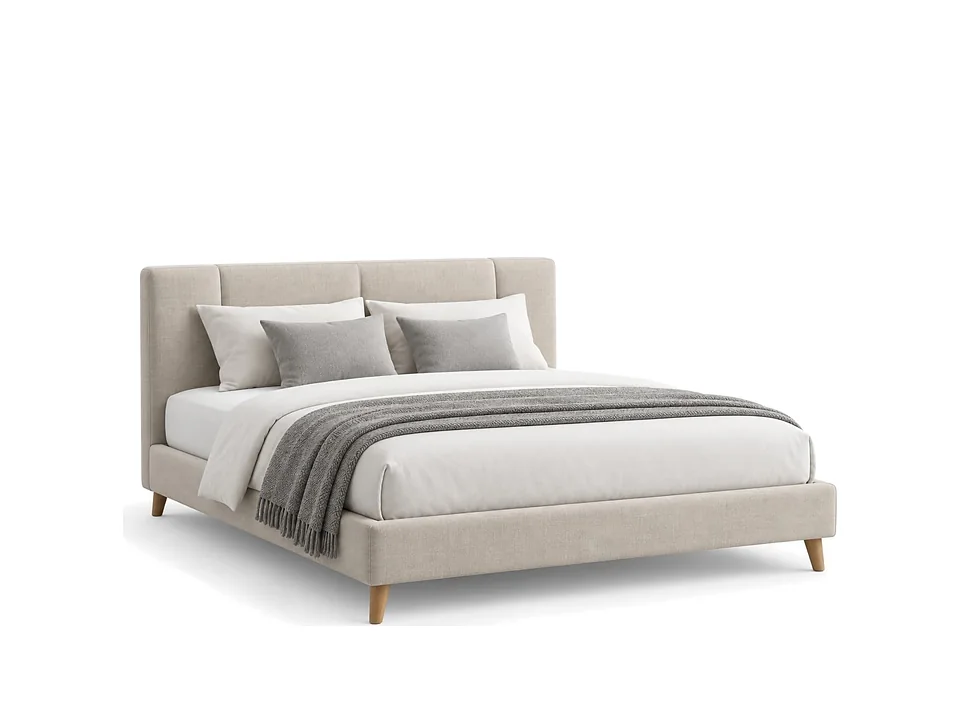
- mattresses and pillows — by far the biggest population
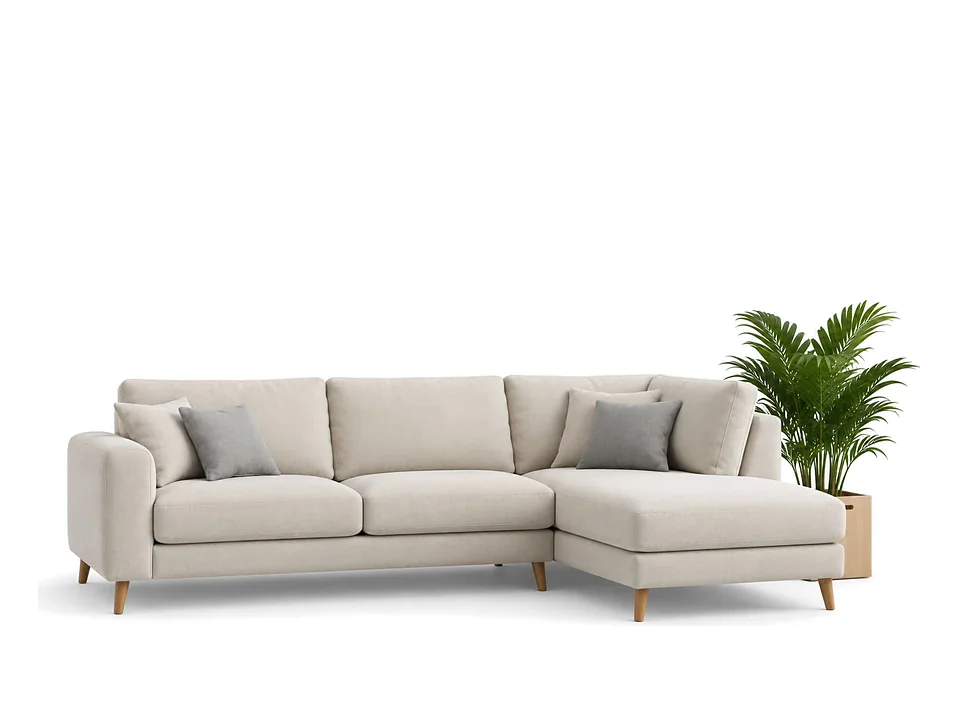
- upholstered sofas and armchairs you use every day
- carpets and rugs, especially thick pile
- soft toys and cushions
Hard floors, leather and smooth surfaces hold very few mites — there's nothing for them to hide in.
Humidity: the number that matters
Mites don't drink. They take water from the air around them, which makes humidity the single biggest factor in how many live in your home.
| Humidity | What happens | |
|---|---|---|
| below 45% | mites dry out and populations shrink | |
| 45–55% | they survive, but grow slowly | |
| 60–75% | ideal conditions — numbers rise fast | |
| above 75% | mould starts to become a problem too |
A simple hygrometer costs around ten euros and tells you more than any spray. Put it in the bedroom: that's where you spend a third of your life, and where humidity rises every night from breathing alone.
If the number stays above 60% for most of the year, airing alone won't be enough — a small dehumidifier in the bedroom often makes the biggest single difference.
Room by room
Bedroom
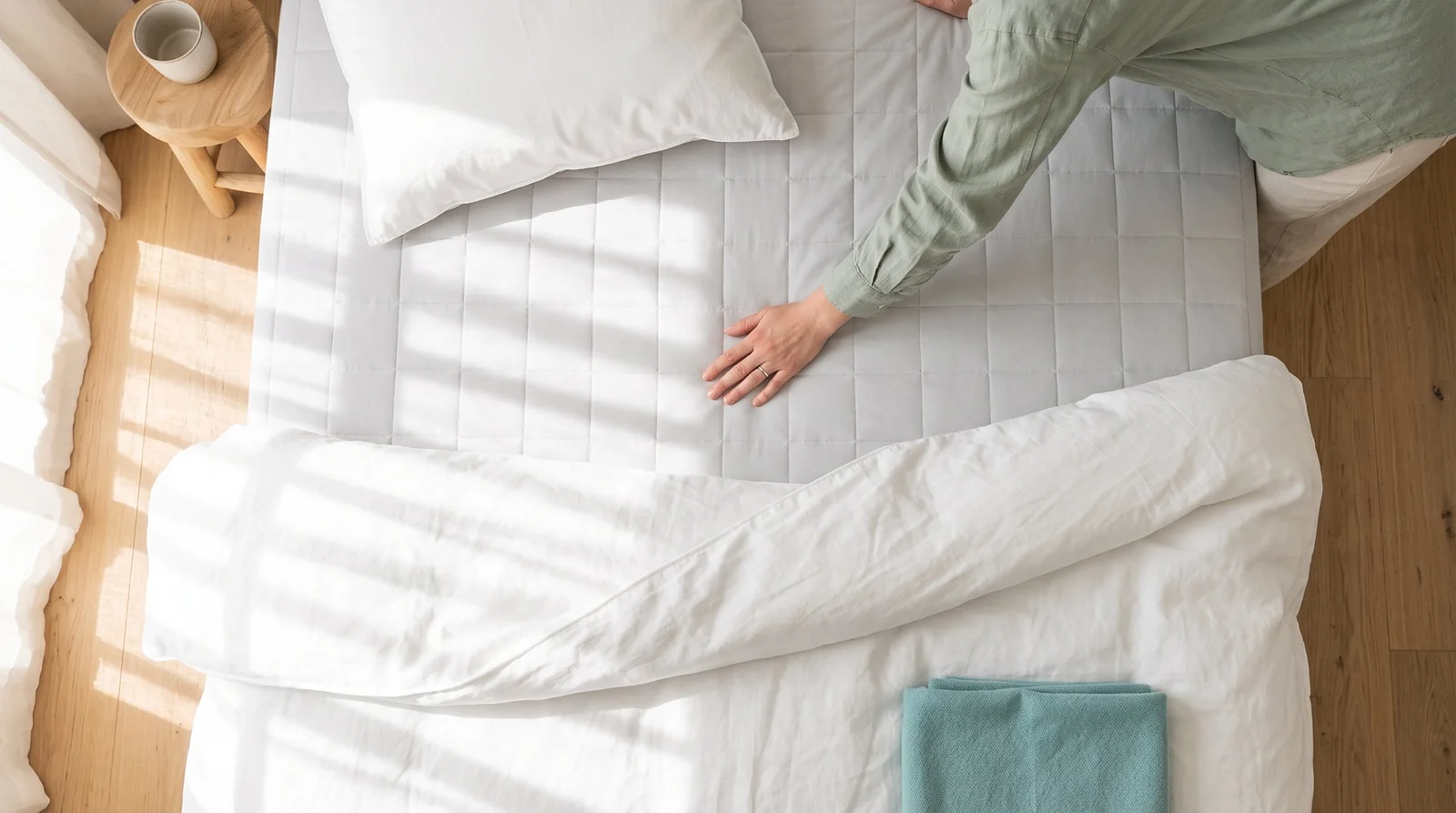
The most important room. Air it every morning before you make the bed, and leave the duvet folded back for half an hour so the mattress can breathe. A washable mattress protector is the best investment for allergy sufferers.
Living room
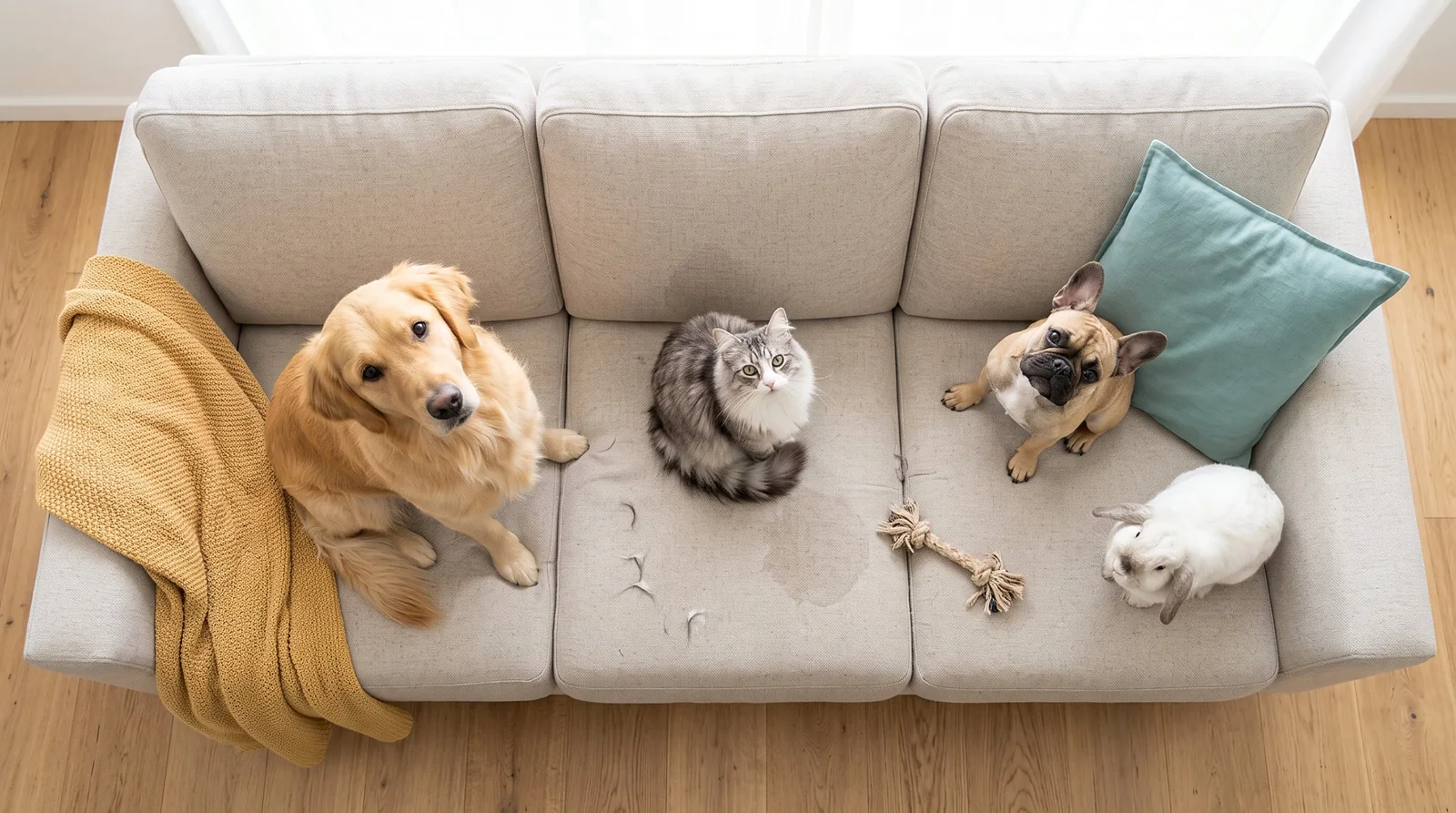
The sofa you sit on every evening is the second biggest home for mites. Vacuum seats and seams weekly and wash throws and cushion covers at 60 °C every few weeks.
Children's room
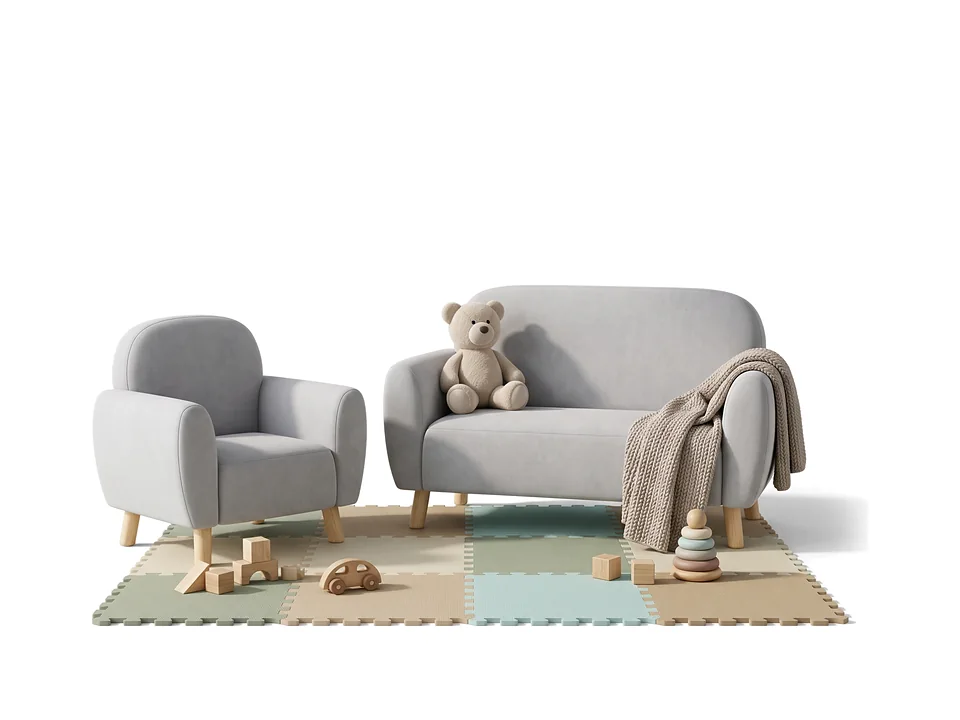
Children spend more time on the floor and with soft toys. Keep the number of plush toys on the bed small, and put them in the freezer for a day once a month — then wash them.
Habits that really help
Keep the air dry
Mites dry out below about 50% humidity. Airing the bedroom every morning and not drying laundry indoors does more than most sprays.
Wash at 60 °C
Bedding, pillow covers and small textiles should be washed at 60 °C — lower temperatures clean the fabric but leave most mites alive.
Vacuum slowly, with a good filter
A vacuum cleaner with a HEPA filter keeps allergens inside instead of blowing them back into the room. Slow strokes matter more than suction power.
Deep clean what you can't wash
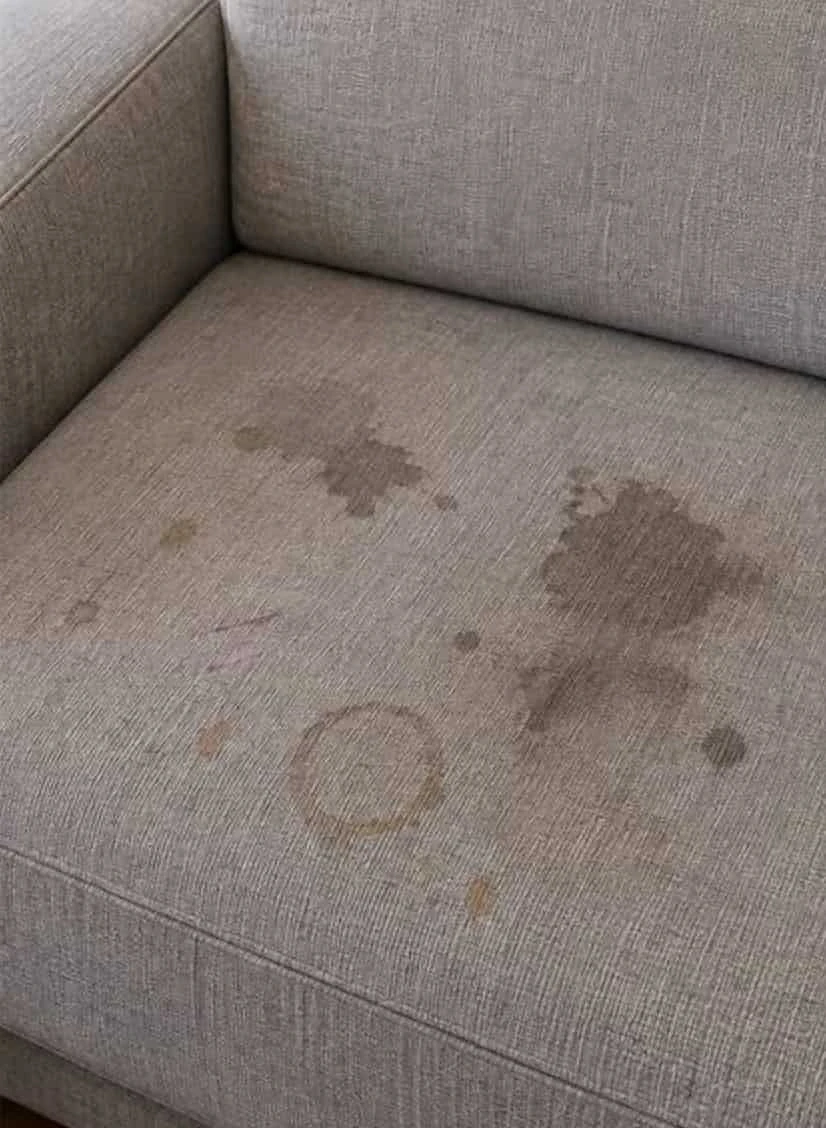
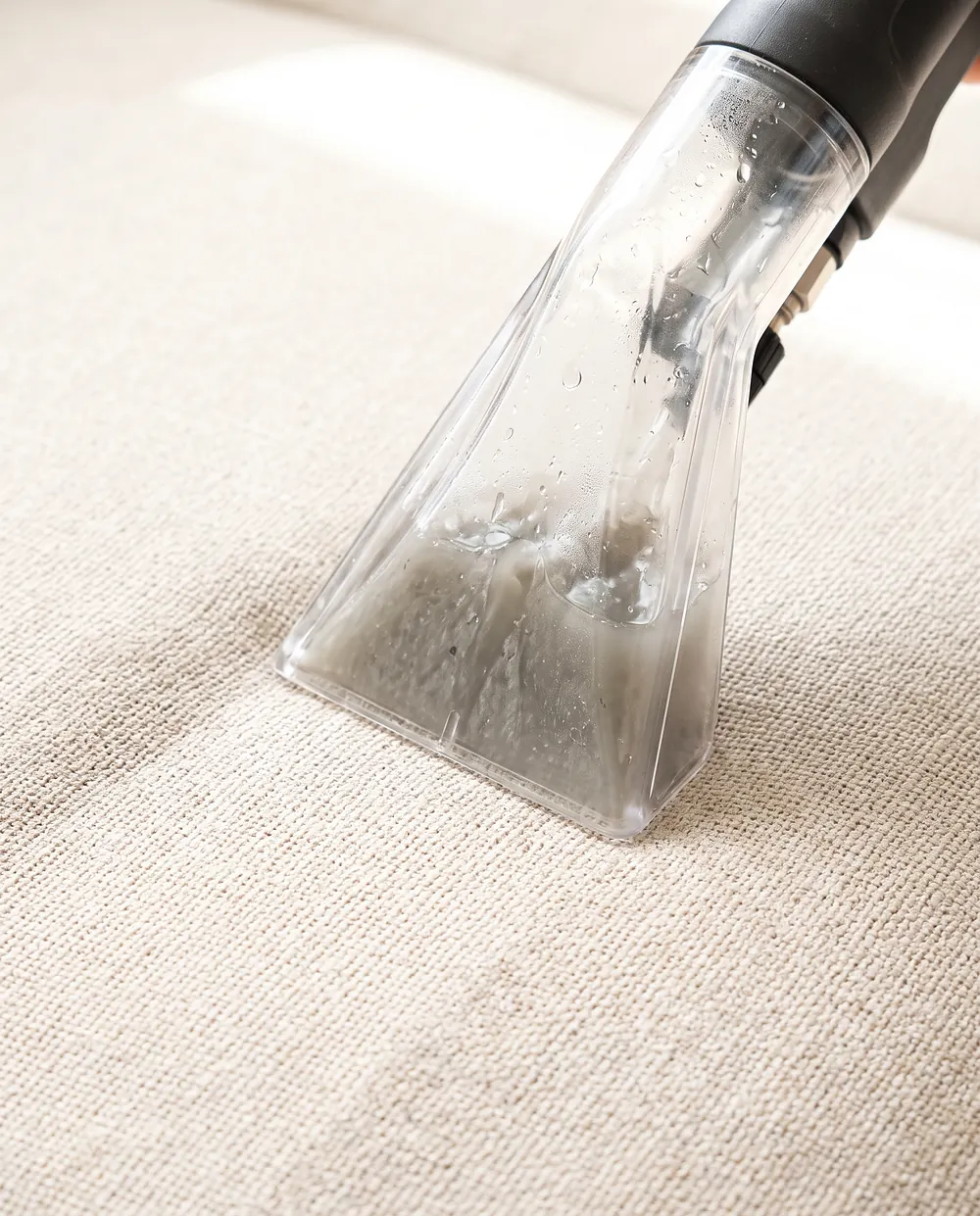
Mattresses and upholstery can't go into the washing machine. Once a year — more often with allergies — hot-water extraction removes the build-up from inside the fabric.
A simple weekly plan
Nothing here is complicated. The point is to do it regularly:
- every morning — air the bedroom for 5–10 minutes
- every week — wash bed linen at 60 °C
- every week — vacuum the mattress, sofa and carpets slowly with a HEPA filter
- every month — wash or freeze soft toys and decorative cushions
- every season — check the hygrometer and adjust
- every year — deep clean the mattress and the sofa
Most people notice the difference within a few weeks: less sneezing in the morning and less dust on the furniture.
Signs mites are a problem at home
You'll never see a mite, but you can notice their effect. Typical signs are a blocked or runny nose in the morning that gets better during the day, itchy eyes in the bedroom, or sneezing when you sit on a particular sofa.
Another hint is dust that comes back very quickly on furniture, and a stale smell in rooms that are rarely aired. None of this proves anything on its own, but together it's worth acting on.
If symptoms are strong or don't improve, talk to your doctor — an allergy test gives a clear answer, and you'll know exactly what to focus on at home.
Three common beliefs
“A clean home has no mites”
Every home has them, however tidy. Cleanliness keeps the numbers low; it doesn't bring them to zero.
“A new mattress solves it”
A new mattress has fewer mites for a while — then it becomes home to a new population within months, unless you change the habits too.
“Sunlight kills them all”
Sun and frost help a little on the surface of small items, but mites live deep inside cushions and mattresses where heat and cold barely reach.
What doesn't help much
Anti-mite sprays work only on the surface and for a short time. Freezing or sunlight help small items but not a sofa. And replacing furniture every few years isn't necessary — regular cleaning keeps the allergen level low for a fraction of the cost.
Questions people ask us
We use hot-water extraction with mild, skin-friendly products. The heat and rinsing remove allergens without harsh chemicals.
Yes. Once the fabric is dry there's no residue, and children and pets can use the furniture as usual.
Mattresses every six months, the sofa you use daily once or twice a year.